ROAR PANTHER Natural Stone Atelier Request Quote

Material type

Arabesque Marble for refined Roar Panther surfaces.

Arabesque Marble can mean the English rendering of Italian Arabescato Marble, Brazilian White Arabesque or simply an ornamental scroll-pattern concept with no quarry identity. Italian Arabescato comes from the Apuan–Versilia area and has a crystalline-white background with flowing grey-to-charcoal veins; Brazilian Arabescato or Arabescus White usually shows broader grey, dove and charcoal movement. Polished and honed 20 or 30 mm slabs, tiles, bookmatched panels, countertops and decorative walls are available. It suits floors, bathrooms, fireplaces and islands, but origin, fissures and slab matching must be checked because the Italian and Brazilian products are not interchangeable. Seal natural marble and expect acids, stains and scratching; UAE exterior use needs exact technical testing. Indicative Arabesque marble price is AED 450–900/m² for Brazilian material and AED 900–2,500+/m² for premium Italian Arabescato.

Arabesque Marble help desk

Need help choosing this stone type?

Share your product, room or fit-out detail and our designer line will guide you on slab selection, finish, sizing, price direction and care.

Parent material
Marble
Primary number
+971 55 000 0000
Secondary number
+971 54 000 0000
Designer number
+971 52 000 0000

Arabesque Marble products

Shop Arabesque Marble products

Browse product groups connected to Arabesque Marble. Use the sticky filters to narrow by finish, category, application, color and price while staying inside this section.

Showing 0-0 of 0 products

Arabescato Identity, Multiple Meanings

Arabesque Marble Price

Arabescato marble from the Apuan and Versilia stone districts is one important identity behind this decorative naming, while Brazilian White Arabesque and ornamental arabesque-pattern references create additional search ambiguity. Arabesque marble UAE suppliers should therefore state whether a slab is authentic Italian Arabescato, a Brazilian trade selection or another product inspired by looping calligraphic movement. Italian material normally combines a luminous pale field with grey veins that branch, reconnect and form oval or cloud-like structures. Country, quarry and slab documentation are essential before treating similarly named products as equivalent.

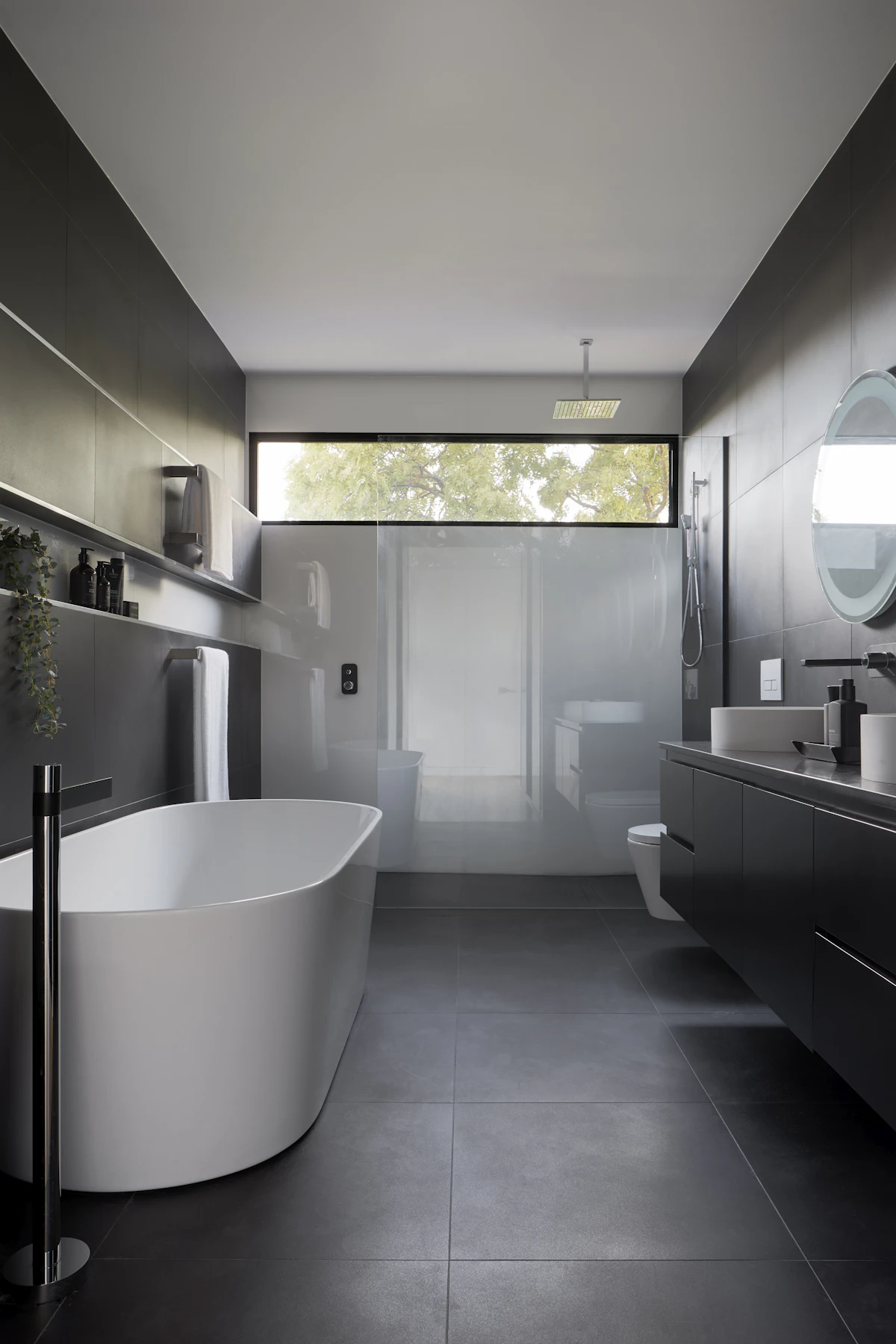
White Arabesque marble in a luxury bathroom, with authentic veining, polished stone depth and refined architectural detail.
This luxury bathroom showcases Brazilian Arabescato, pairing natural stone movement with polished depth and refined detail.

Flowing Grey Patterns Across White Stone

White Arabesque Marble Selection

Brazilian Arabescato should be treated as a separate trade selection from Italian Arabescato families even when the visual movement is similar. Arabescato Bianco should be specified by exact country and quarry, with consecutive slabs reserved where looping veins must continue through bookmatched walls or furniture.

Bookmatched Formats & Kitchen Suitability

Arabesque Slab Formats

Arabesque marble slabs are well suited to projects where the fabricator can exploit their movement across large surfaces. Countertops and islands are normally ordered in 20 mm or 30 mm slab thicknesses, while 20 mm matching panels can be used for splashbacks, vanity walls and decorative cladding. For floors, 600 × 600 mm, 600 × 1200 mm and custom modules allow the pattern to read continuously with fewer joints. Arabescato Carrara stair packages should be dry-laid before cutting so the movement follows logically from landing to tread and riser. Honed material is generally preferable on frequently used floors, while polishing is particularly effective on counters and bookmatched feature walls. The material can be used in kitchens, but clients should understand that sealing reduces absorption rather than preventing acid etching. When bookmatching, reserve consecutive slabs, photograph them in order and approve the digital cutting layout before fabrication; this avoids sacrificing the most decorative sections to offcuts or cabinet penetrations.

Identify Natural Stone Before Setting Care Requirements

Arabesque Countertop Protection

An Arabesque countertop should be treated according to the confirmed material behind the trade name; Arabascato Bianco and Brazilian or supplier-specific alternatives should not automatically share one technical specification. If the slab is calcitic, an impregnating sealer can slow staining from oils and coloured liquids but will not protect against citrus, vinegar or other acidic ingredients. Frequent cutting should take place on boards rather than directly on the surface, and hot cookware should be isolated with trivets to protect resin fills and adhesives as well as the stone. Polished areas show etching as dull spots, while honed finishes make small gloss changes less obvious. Keep seams, sink cut-outs and filled fissures clean and dry because these areas receive the most repeated moisture exposure.

UseFinishThicknessIndoor / sqmOutdoor / sqmSupplyInstalledNotes
Bookmatched Feature Walls Polished/Honed 20 mm Indoor preferred — protects bookmatched vein continuity Indoor preferred — stabilizes mirrored joints away from exterior heat AED 450–640/m² AED 140–180/m² Feature walls gain impact from broad bookmatching with carefully centered mirrored veins
Kitchen Countertops Polished/Honed 20 mm/30 mm Indoor kitchen countertops are ideal for villas, apartments and hospitality kitchens Indoor countertops ideal; shaded outdoor kitchens are possible AED 360–475/m² AED 145–205/m² Premium countertop with expressive natural veining
Bathroom Vanity Tops Polished/Honed 20 mm/30 mm Indoor preferred — bathrooms and powder rooms. Outdoor not preferred — vanity tops can stain, weather and lose polish outdoors. AED 250–380/m² Est. AED 90–140/m² Luxury vanity-top option for bathrooms where expressive natural veining can become an important decorative feature.
Decorative Flooring Tiles Honed/Polished 18 mm/20 mm Indoor preferred — foyers, living areas and decorative floors. Outdoor limited — suitable for covered terraces with a honed finish. Est. AED 80–130/m² AED 50–80/m². Suitable for decorative flooring, adding visual interest to foyers and living spaces while honed surfaces suit sheltered terraces.
Designer Marble Furniture Polished/Leathered 20 mm/30 mm Indoor preferred for designer furniture in lounges, dining rooms, hotels, and statement interiors. Outdoor not preferred; designer furniture performs best indoors AED 155–235/m² AED 55–115/m² Decorative flooring introduces expressive pattern and visual movement

Review wet areas, furniture and exterior applications

Arabesque Countertop & UAE Applications

An Arabesque countertop should use the full slab as a layout drawing, positioning looping grey movement around sinks, corners and seams before fabrication. Arabescato Bianco also suits bathroom walls, fireplaces and furniture where decorative veining can remain uninterrupted. UAE exterior suitability depends on the exact Italian, Brazilian or other product and should not be inferred from the Arabesque trade name.

Arabesque countertop on polished kitchen island with bathroom and fireplace, showing looping grey-blue veins on white stone.
Arabesque countertop on polished island with bathroom and fireplace panels, plus looping grey-blue veins and open white areas

Decorative, flowing and bookmatchable; but naming, origin, etching and slab variation need verification.

Arabescato Pattern Trade-Offs

Arabescato from Italy’s Apuan-Versilia region and Brazilian White Arabesque are distinct natural stones that share flowing grey-to-black patterns over pale crystalline backgrounds, while “arabesque” can also describe an ornamental design motif. Designers favour these sweeping lines for bookmatched panels, islands and feature walls because the pattern itself provides decorative movement. UAE buyers should distinguish Italian, Brazilian and motif-based use, verify quarry documents and slab matching, and compare quieter tones such as <a href='https://www.beigemarbles.com/types/omani-beige-marble'>omani beige marble</a>.

Strengths & Identity Concerns

Pros

  • Established Arabescato family has prestigious Apuan provenance
  • Flowing dark veins create strong artistic movement
  • White crystalline backgrounds keep interiors bright
  • Large slabs offer excellent bookmatching potential
  • Suitable for counters bathrooms walls and decorative panels

Cons

  • Arabescato and Brazilian Arabesque are not one material
  • Decorative-pattern usage further complicates the name
  • Bold veins make seam matching demanding
  • Authentic Italian provenance needs verification
  • Calcitic versions remain vulnerable to acids.

Arabesque Application Fit

Where Arabesque Stone Works Best

An Arabesque feature wall should first be identified as either Italian Arabescato, Brazilian Arabesque-type stone or simply an arabesque-patterned surface. For natural Arabescato, large bookmatched slabs preserve the flowing grey pattern and make the wall read as one continuous composition.

UseWeatherConditionApplicationSlipCareBest forAvoid for
Kitchen Islands Kitchen islands are better indoors; outdoor installation should be limited to covered spaces protected from rain, direct heat and prolonged UV exposure. Best where the island is sealed, spills are wiped promptly and cutting or heavy impact occurs on protective boards. Luxury kitchen islands, penthouse kitchens, villa entertaining kitchens, breakfast islands and designer show kitchens. Slip rating is not relevant for kitchen islands. Use boards and trivets, clean food spills quickly and reseal the island periodically to reduce staining and etching. Decorative luxury kitchen islands Outdoor kitchens and impact-heavy daily preparation
Bookmatched Walls Strongly indoor preferred; exterior bookmatched walls should remain fully protected. Precisely aligned bookmatched walls with rigid backing and minimal handling Bookmatched walls, luxury foyers, hotel receptions and dramatic full-height feature panels. No slip concern; bookmatched walls are vertical surfaces. Clean gently with soft materials, avoid impacts on slab edges, and periodically inspect bookmatched alignment, joints and backing. Best for dramatic bookmatched walls in luxury foyers and hotel receptions where precise slab alignment and rigid backing can be maintained. Avoid exterior bookmatched walls, flexible substrates, vibration-prone areas and installations where precise alignment or protected slab edges cannot be maintained.
Bathroom Vanities Indoor preferred; exterior bathroom vanities should stay completely covered, dry and protected from harsh weather exposure. Best for refined vanity areas with light-to-moderate use, prompt moisture removal, periodic sealing and gentle cleaning. Master bathrooms, hotel suites, powder rooms and refined decorative vanity areas. Not a walking surface, so slip rating is not required; smooth vanity finishes suit normal bathroom use. Keep the white surface dry, remove staining products immediately and reseal splash-prone areas periodically. Best for refined decorative vanities in master bathrooms, hotel suites and elegant powder rooms. Busy public washrooms, constantly wet counters and vanity surfaces exposed to staining cosmetics or strong acids.
Fireplace Surrounds Strongly indoor preferred; outdoor fireplace surrounds should remain fully covered from rain, strong sunlight and temperature extremes. Statement fireplace surrounds with rigid installation, controlled heat and careful soot removal Designer villa fireplaces, luxury hotel lounges, penthouse interiors and bold patterned hearths. No pedestrian slip rating is needed for fireplace surrounds. Clean smoke residue early with mild neutral cleaner and avoid abrasive scrubbing over decorative veining. Artistic fireplace surrounds where expressive patterning creates a highly decorative statement feature. Avoid direct flames, severe thermal cycling and decorative veining exposed to aggressive scrubbing.
Dining Tables Strongly indoor preferred; outdoor dining tables should remain fully sheltered from rain, intense UV and temperature extremes. Best for dining tables with stable support, coasters and prompt removal of food and drink spills. Dining rooms and statement residential interiors No direct slip concern for dining tables; promptly clean surrounding food or drink spills Use coasters and felt pads, wipe acidic foods quickly and avoid abrasive cleaners or rough servingware Statement residential dining tables Uncovered dining tables and rough high-turnover service
Arabesque marble decorative bookmatched feature wall with luminous white stone and looping grey vein patterns
Arabesque Marble decorative bookmatched feature wall, showcasing luminous white stone and looping grey vein patterns.

Bianco Arabescato shines with expressive vein matching.

Arabescato Classico Vein Matching

Use the broad looping veins of Marmo Arabescato Di Carrara as the primary matching anchors across adjacent panels. Before fabrication, dry-lay or digitally compose the entire feature and shift panel boundaries until major arcs reconnect naturally. Bianco Arabescato does not require every fine branch to meet perfectly; prioritising the strongest curves and maintaining balanced white space usually gives a more coherent result than forcing small veins into alignment.

Arabesque Marble FAQ

Questions about Arabesque Marble

Answer

For Arabescato Marble, what should buyers know about Arabesque Marble naming, how can they assess its Arabescato relationship, and what matters most when evaluating Italian versus supplier-specific origin?

“Arabesque Marble” is often informal or translated wording for Arabescato Marble, but it can also be used generically for stones with arabesque-like veining. Buyers wanting authentic Italian Arabescato should request the exact Carrara/Apuan quarry family—such as Corchia, Vagli or Cervaiole—and Italian provenance. Supplier-specific “Arabesque” material from another country should remain a separate SKU even if its white-and-grey looping pattern visually resembles Arabescato.